
Aphanitic Texture: The Science of Fine-Grained Igneous Rocks
Aphanitic texture is one of the common igneous rock textures, especially volcanic rocks. It forms almost entirely through the physics

Aphanitic texture is one of the common igneous rock textures, especially volcanic rocks. It forms almost entirely through the physics

Gabbro is a coarse-grained (phaneritic), mafic intrusive igneous rock. It forms when iron- and magnesium-rich magma cools slowly beneath the
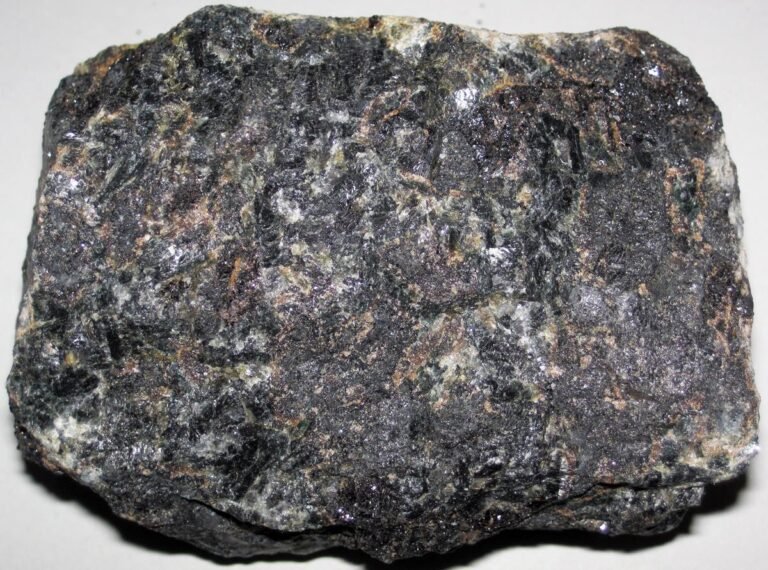
Norite is a mafic, coarse-grained, plutonic igneous rock composed predominantly of orthopyroxene and calcic plagioclase feldspar. It forms deep in
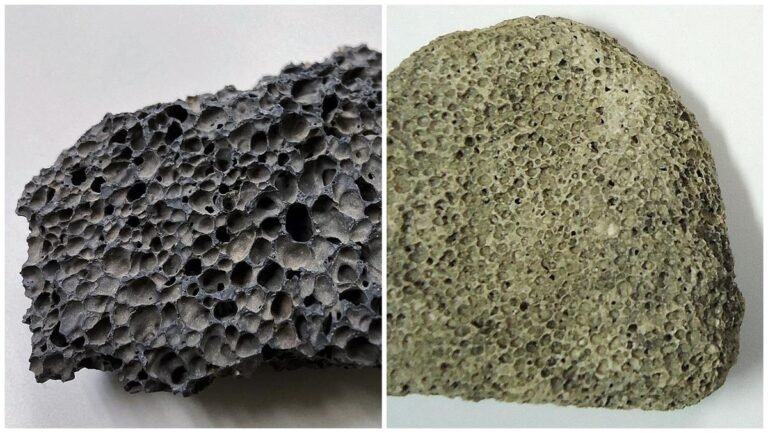
The questions that this post on scoria vs. pumice will tackle are: What does scoria have in common with pumice,
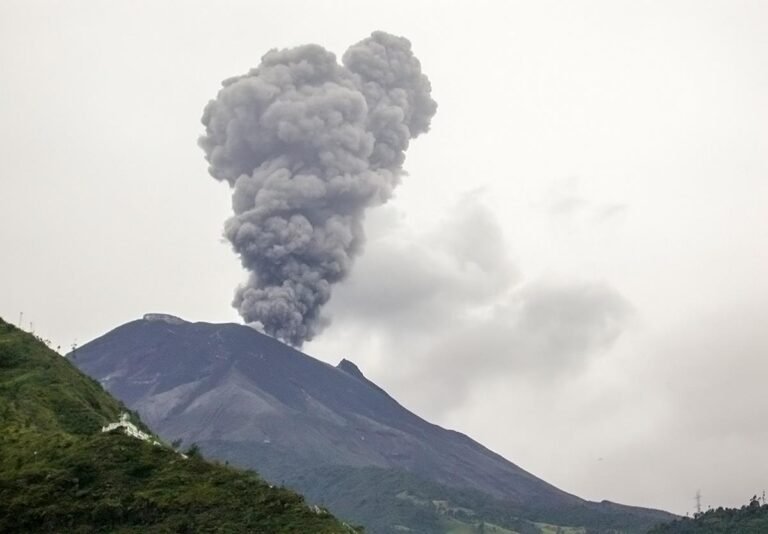
Vulcanian eruptions are moderately explosive eruptions characterized by intermittent, short-lived explosions of ash-laden, convoluting dense clouds rising high above vents
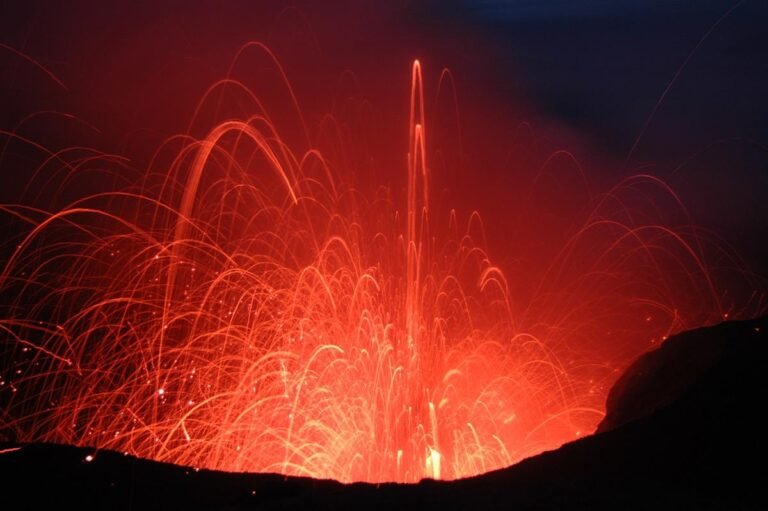
Strombolian eruptions are mildly to moderately explosive eruptions characterized by pulsating or intermitted short-lived, discrete explosions that can go on
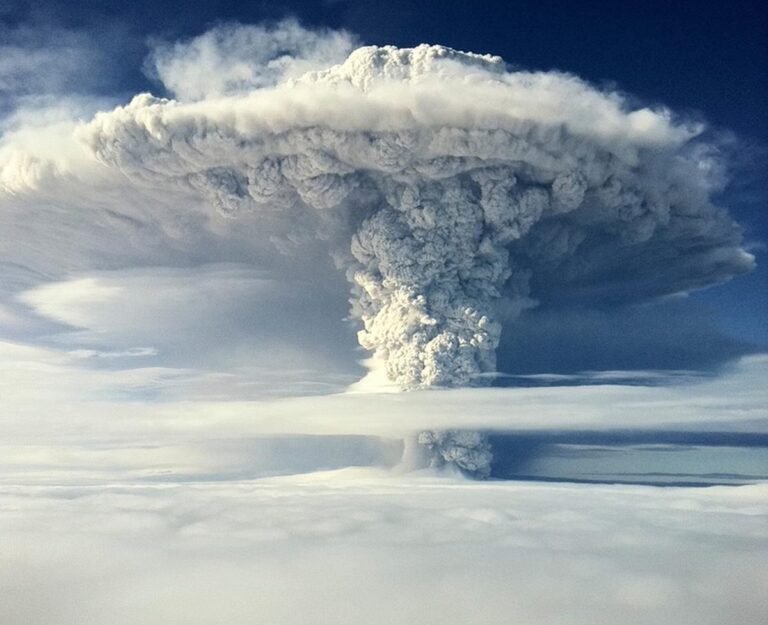
Plinian eruptions, also known as Vesuvian eruptions, are the largest, most explosive, powerful, and catastrophic of all volcanic eruptions. They
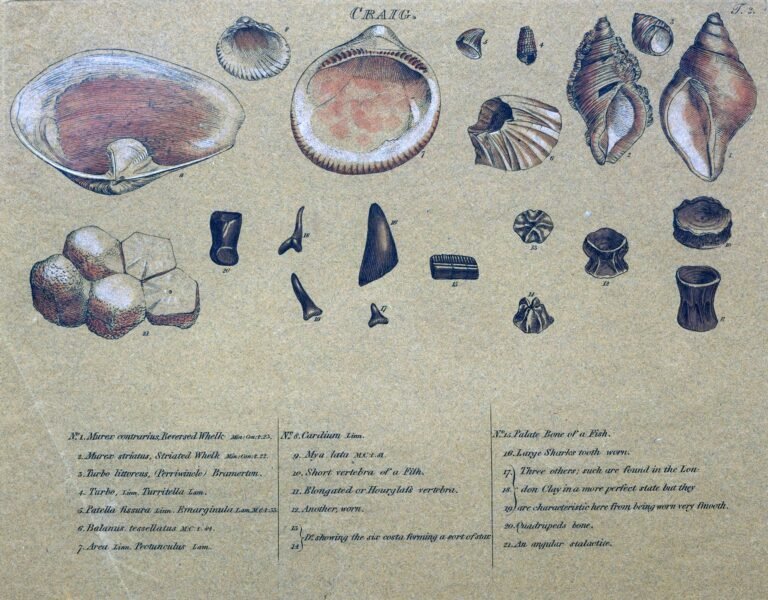
Key, guide, indicator, or index fossils are remains of ancient organisms that were abundant, distinctive, easily recognizable, geographically widespread, and
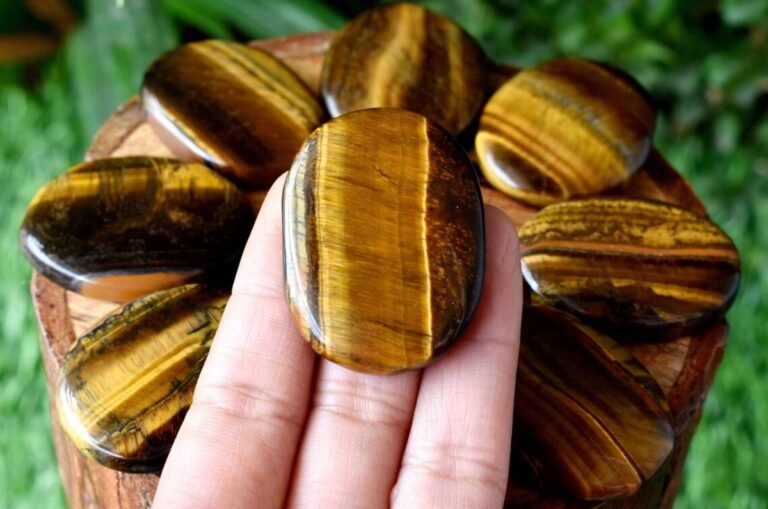
Tiger’s eye is a golden-brown, golden-yellow, or reddish-brown semi-precious chatoyant quartz gemstone. Its other names are pseudocrocidolite, tigereye, or tiger
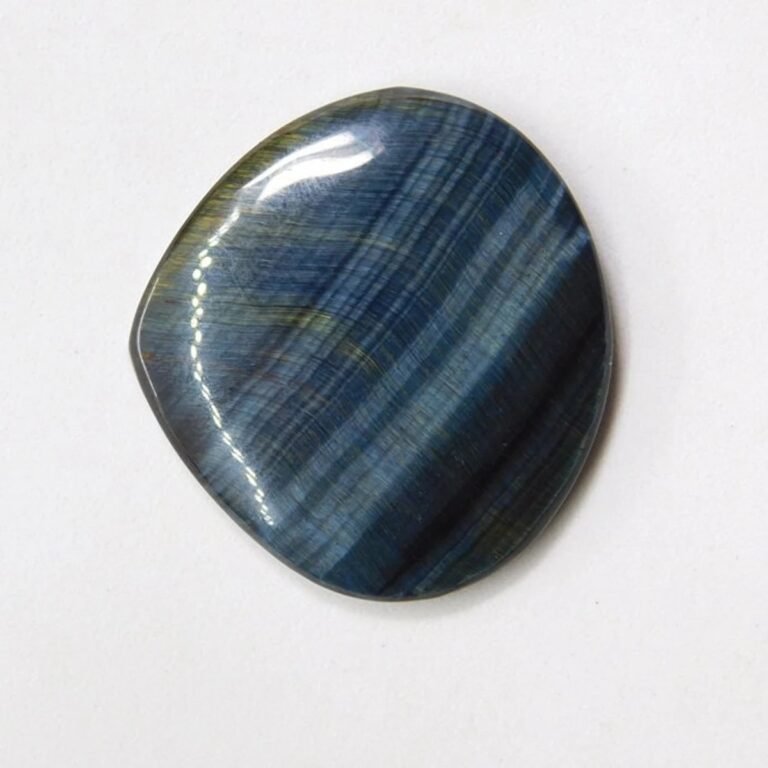
The hawk’s eye, blue tiger’s eye, or falcon’s eye refers to an inexpensive, natural bluish-gray chatoyant quartz. A chatoyant gemstone,