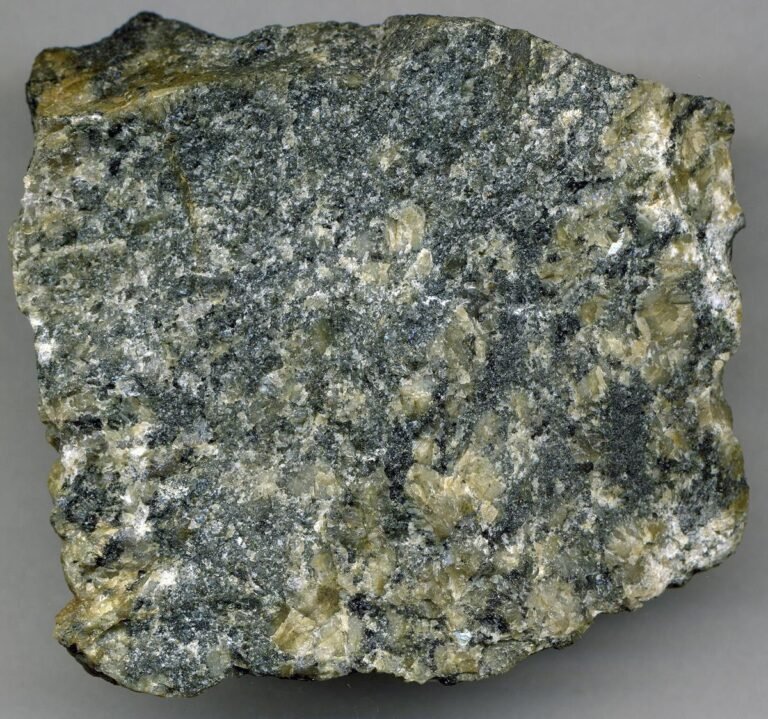
Porphyritic Diorite Rock Formation and Uses
Porphyritic diorite rocks have large, well-formed mineral grains of feldspar and sometimes hornblende, pyroxene, or biotite set in a finer-grained

Porphyritic diorite rocks have large, well-formed mineral grains of feldspar and sometimes hornblende, pyroxene, or biotite set in a finer-grained
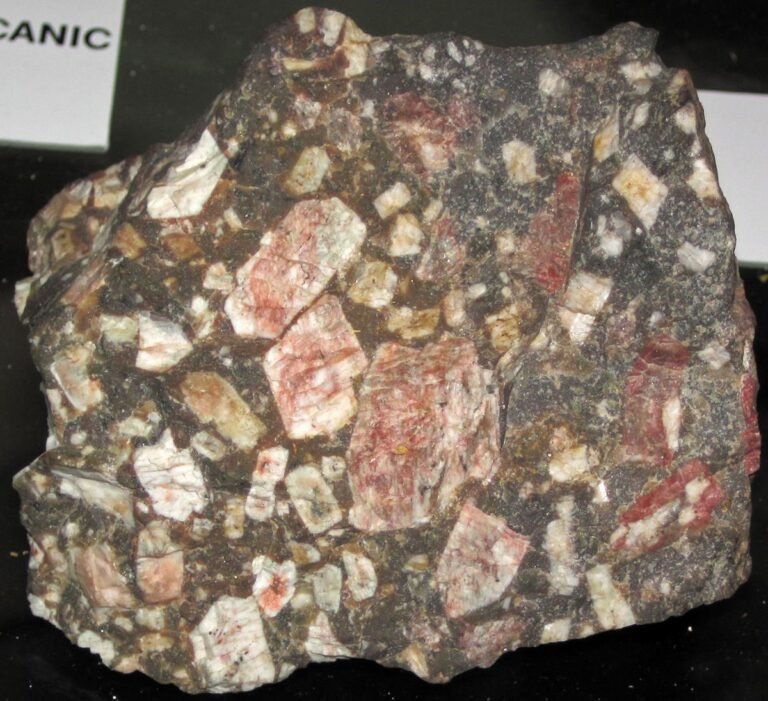
Porphyritic trachyte rocks have large, well-formed sanidine, plagioclase, and sometimes amphibole, biotite, or pyroxene crystals in a fine-grained matrix. The
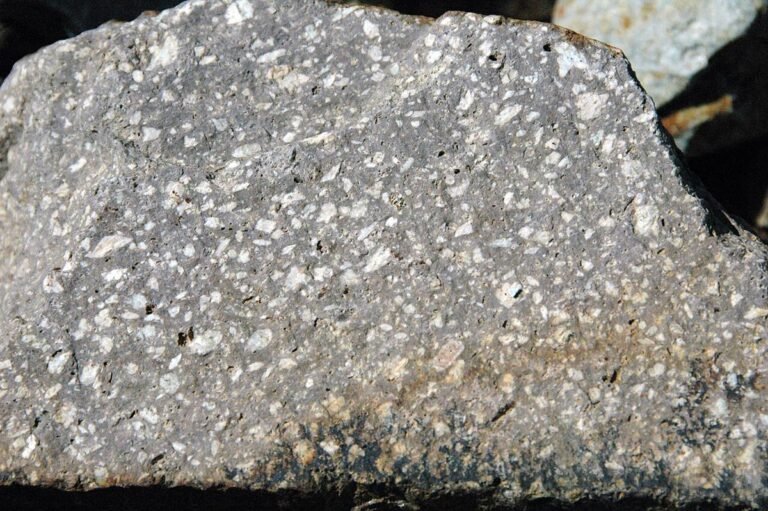
Porphyritic phonolite or phonolite porphyry has well-formed, large leucite, nepheline, and alkali feldspar crystals in a fine-grained matrix. The larger
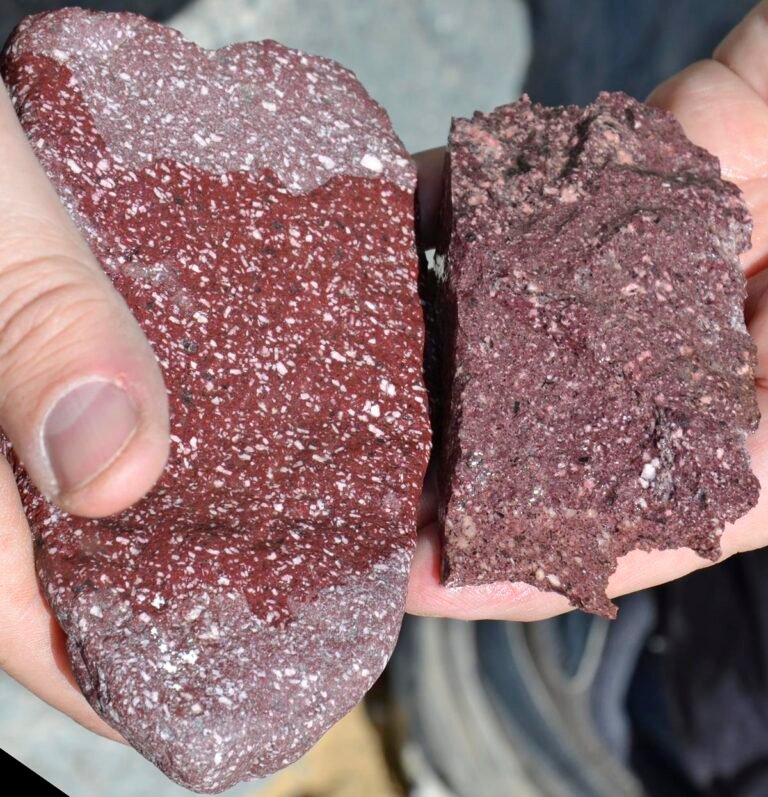
Purple, red, or Roman Imperial porphyry refers to reddish to purplish porphyritic rocks highly-priced during the antiquity age by Romans
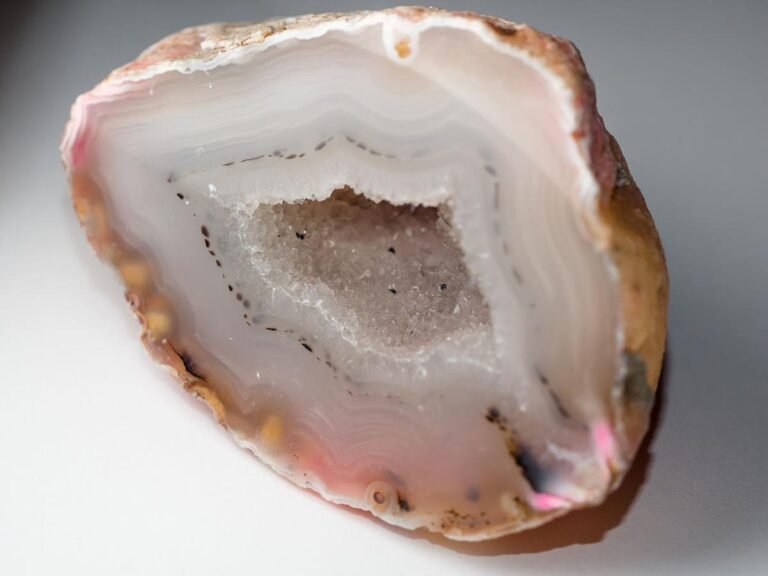
Would you like to know how to open a geode? The common ways are smashing it, using a crack hammer
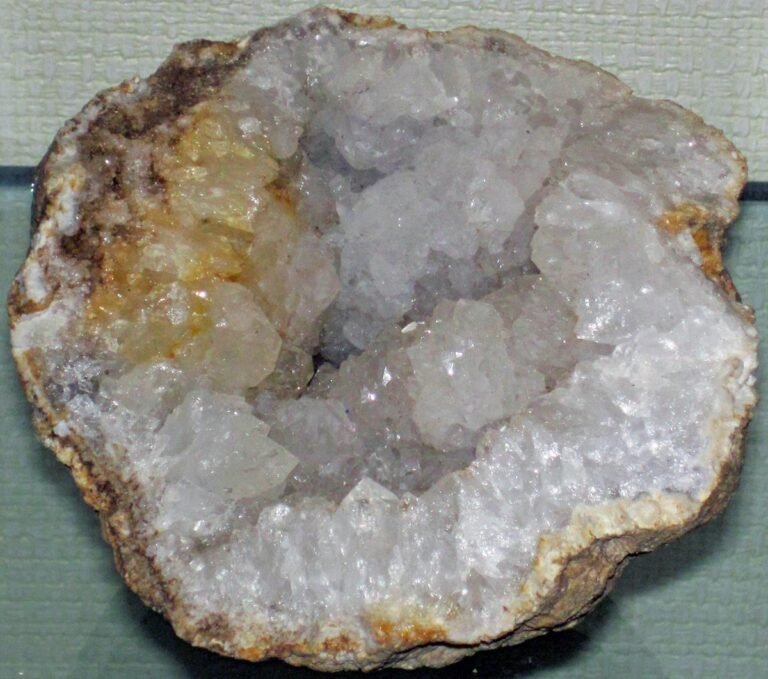
The best places to find geodes in Illinois are Warsaw, Hamilton, and Nauvoo, which are areas in western Illinois that
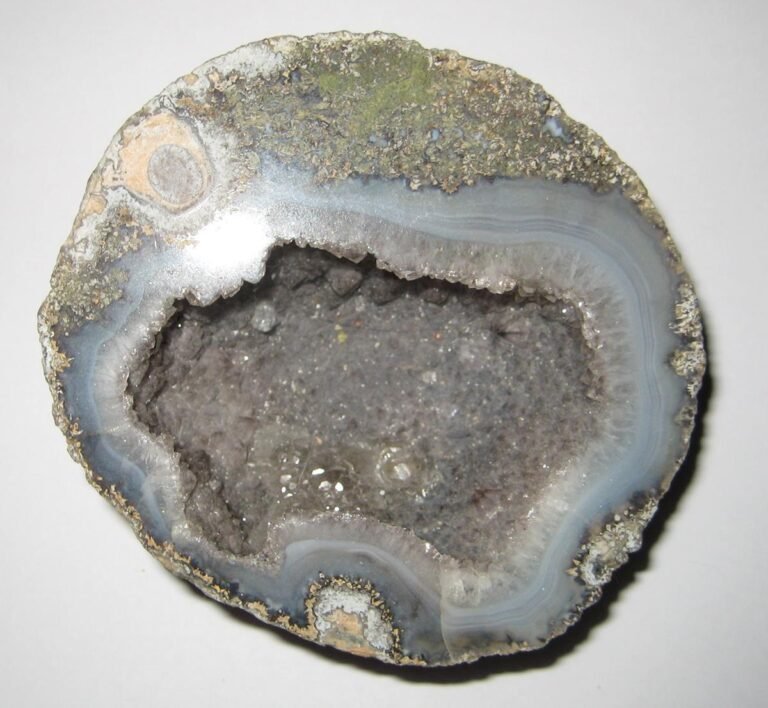
Geodes are hollow or partially filled, roughly spherical structures, globular or oblate spheroidal discrete bodies or structures lined with mineral

Is your question how are geodes formed in nature? The simple explanation is the process involves 1) cavity formation and
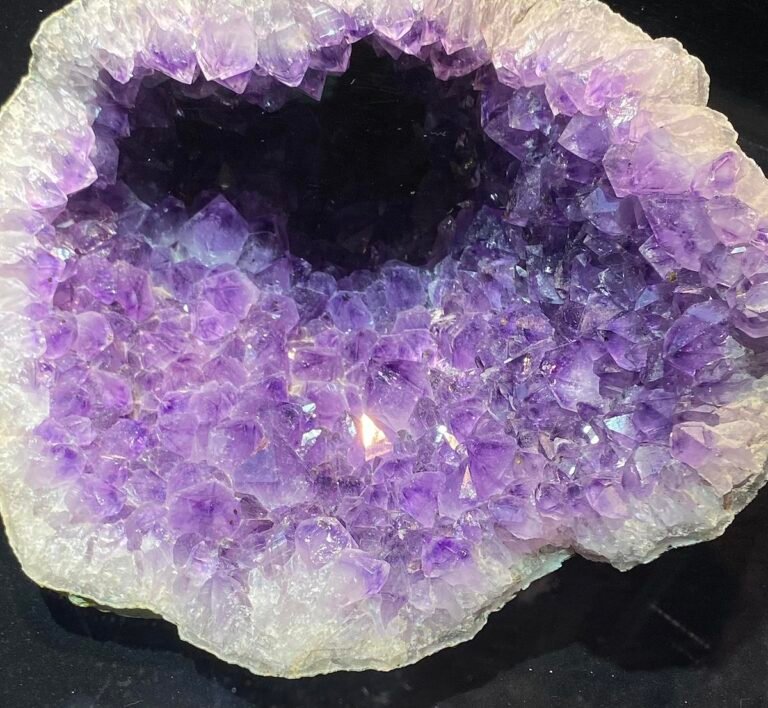
Since they resemble each other, it is good to discuss geodes vs. thundereggs, nodules, vugs, concretions, and other similar structures
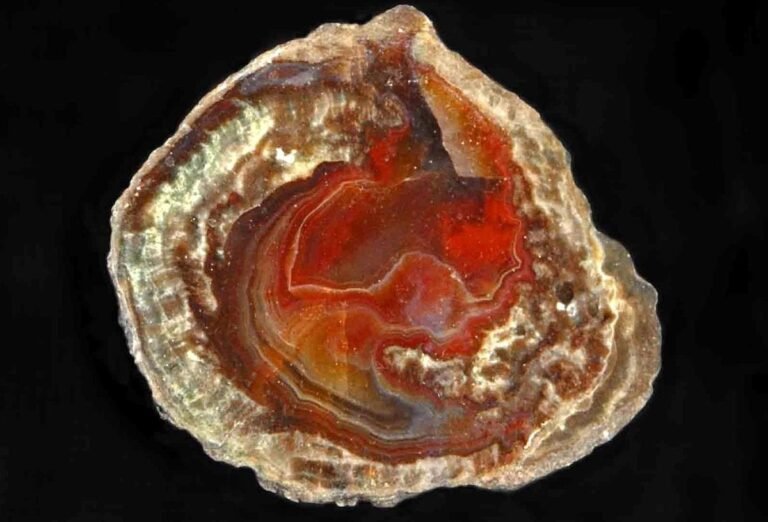
Lithophysae (singular lithophysa) are roughly spherical to lenticular-shaped structures with onion-like shells and a hollow center. These structures, which occur